List of lectures
All presentations are richly illustrated with photographs, film clips and graphics. They usually last 45 minutes. Those marked with a * vary in length between 10 and 30 minutes, but can be adjusted as required and adapted to the length of the Recap.
A) Biology
I) General ecological topics
- Life at the edge of the world
- Arctic seasons
The two lectures provide an introduction to the structure of ecosystems in general and Arctic ecosystems in particular. They illustrate the interactions between key species (particularly birds and mammals) and describe how their lifestyles are adapted to the drastic differences between summer and winter.
- Arctic, quo vadis? Risk and protection
- Climate change in the Arctic
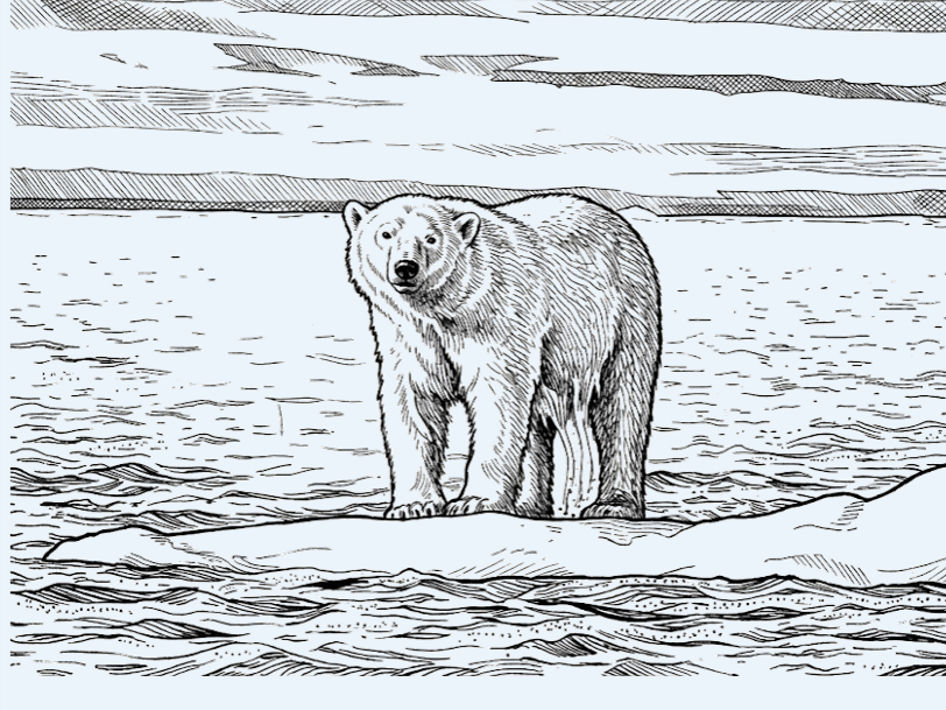
- The Polar Bear: an icon of climate change
These three presentations – each with a different focus – address past and present threats to the Arctic at local (whaling, hunting, mining), international (plastic, toxic substances, radioactivity) and global levels (climate change), as well as the necessity and effectiveness of conservation measures.
II) Lectures on individual species (*)
From land to water: The evolution and lifestyle of whales and seals
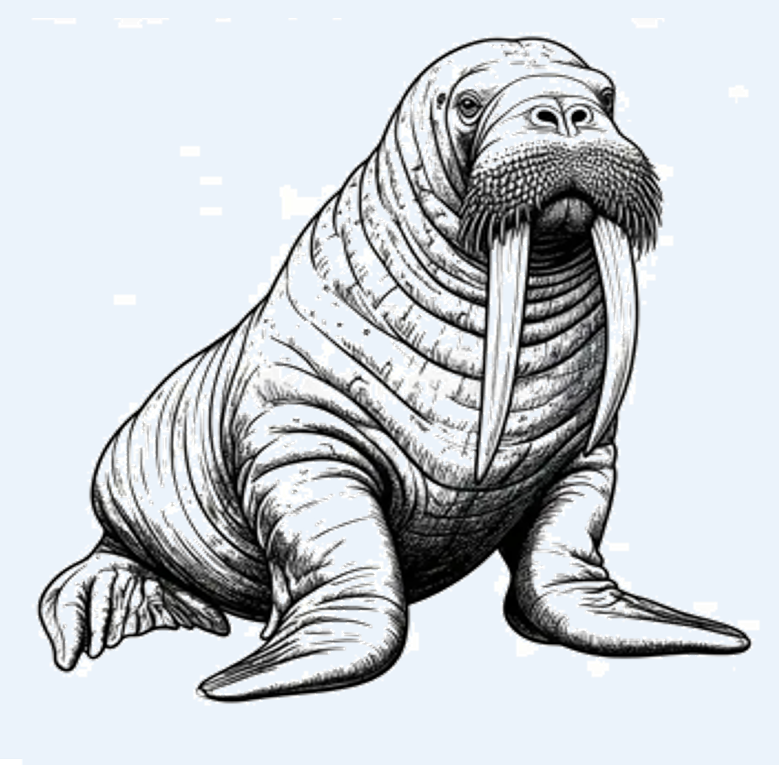
- Walruses: Hunted almost to extinction
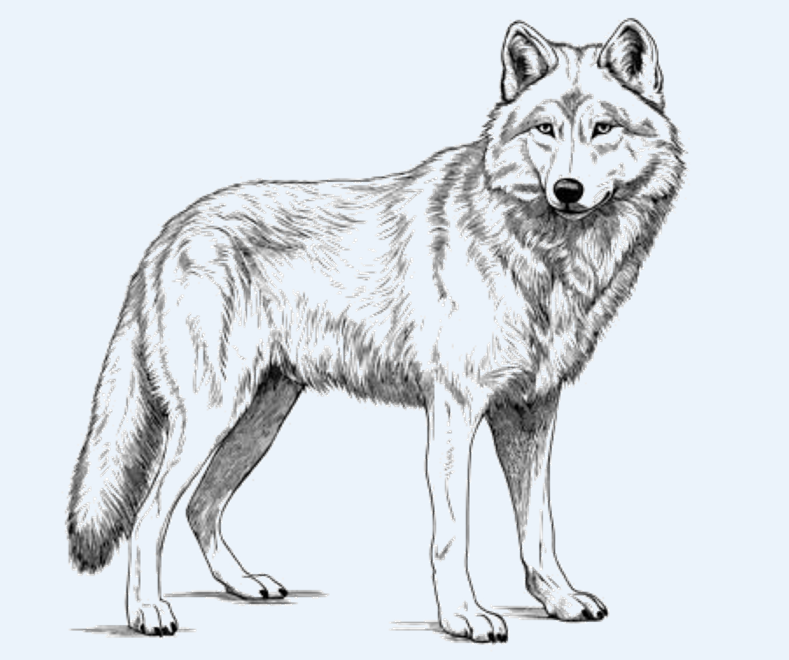
- Arctic wolves and snow hares: A fascinating predator-prey system
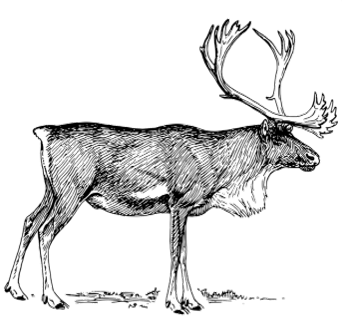
- Reindeer: Made for the Arctic and yet under threat
- Musk Oxen: Arctic 'fatheads'
- The Arctic fox: Small but smart!
- Do lemmings commit suicide? Beautiful hypotheses and ugly facts
Advantages and disadvantages of colonial breeding in birds
- To fly or to dive? That is the question – Adaptations in birds
- Close to the ground: Distinctive features of Arctic vegetation
B) Geology and Glaciology
- The Arctic – A geological paradise
- How old do you think I am? Methods of dating (*)
As many landscapes in the Arctic are largely devoid of vegetation, rock formations are exposed at the surface and can be interpreted as if from a geology textbook. The two lectures explain the fundamental principles behind their formation (including tectonics and volcanism) and describe methods for determining the age of rocks and fossils.
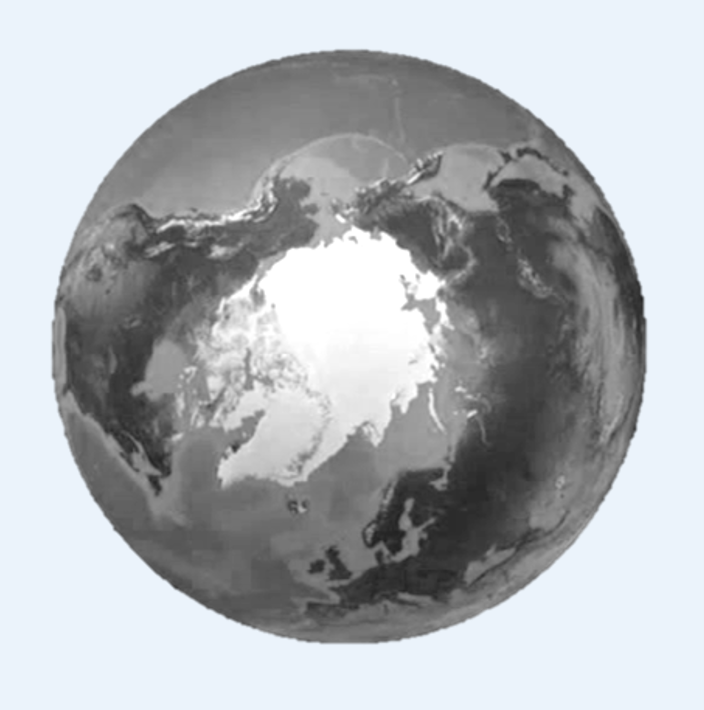
- White worlds: Glaciers and sea ice
- Frost structures in the landscape (*)
In this age of climate change, the media focus on the alarming retreat of glaciers and sea ice. But how do they form in the first place? How have they shaped landscapes in the past? What impact do they have today? These two lectures will answer such questions.
C) History and culture
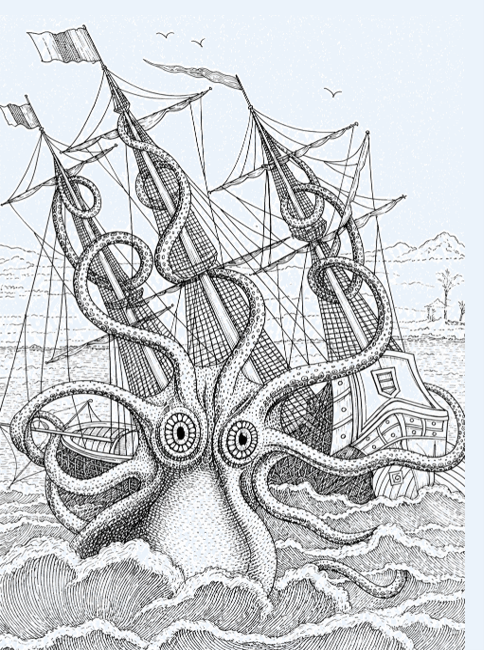
Sea monsters: Myth or reality?
Mysterious and menacing creatures have probably always fascinated us humans. From the Leviathan in the Bible, through fantastical monsters on old nautical charts, to whales as big as islands and giant sea serpents that drag ships down into the depths, there is no shortage of tales about sea monsters. They have struck terror into the hearts of seafarers for centuries or – in the case of mermaids – occasionally pleased an excited them. What lies behind these accounts? This lecture attempts to answer that question.

Iceland and Norway: Home of elves and trolls
- Anyone visiting Iceland or Norway cannot fail to come across elves and trolls. In Norway, you envcounter troll figures of all shapes and sizes at every turn: in souvenir shops, pedestrianised areas, private gardens and countless books. In Iceland, on the other hand, elves dominate. They have been an integral part of the country's culture for centuries, and many people still believe that elves exist. The presentation explores the origins of beliefs in elves and trolls and how these mythical creatures have evolved over the centuries.
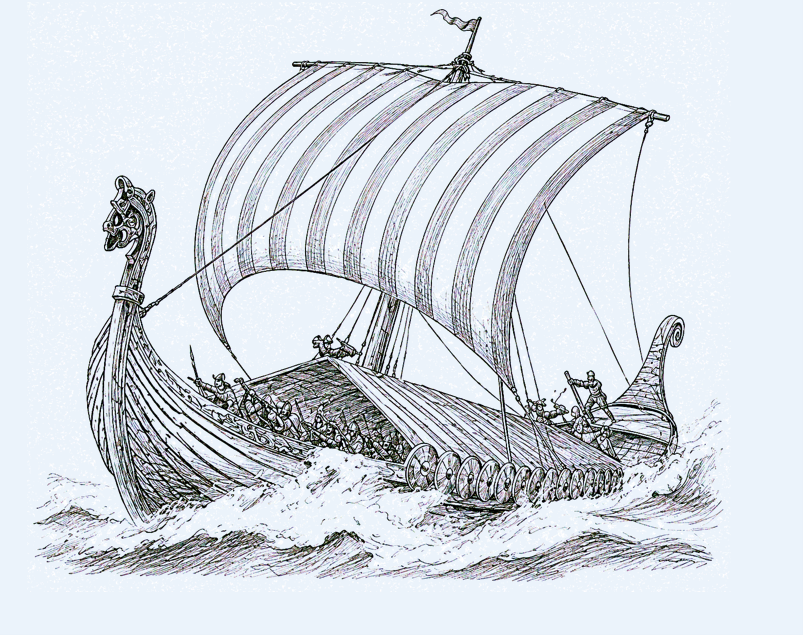
The Vikings: Off to Greenland! And then what?
Part 1 of the lecture describes why the Vikings settled in Greenland in the late 10th century, how they lived there, and how they set out from there for the coast of North America. Part 2 analyses the reasons for their disappearance from Greenland in the 15th century – which remain unclear to this day.
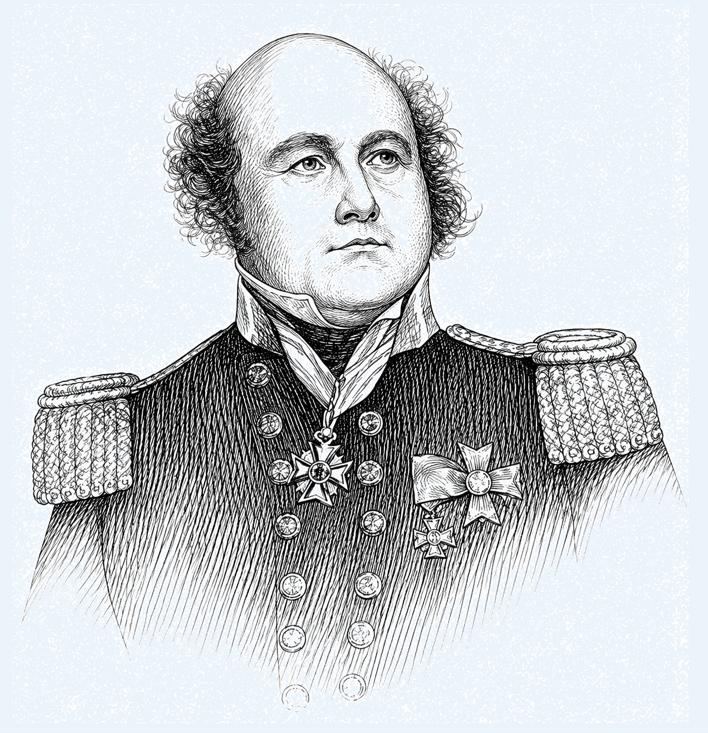
John Franklin and the search for the Nordwest Passage
For almost 400 years, explorers searched for a north-west passage between the Atlantic and the Pacific. The lecture begins by describing the motivations behind this endeavour and some of its key stages. It then focuses on John Franklin’s tragically ill-fated expedition and on current research into the causes of the disaster.
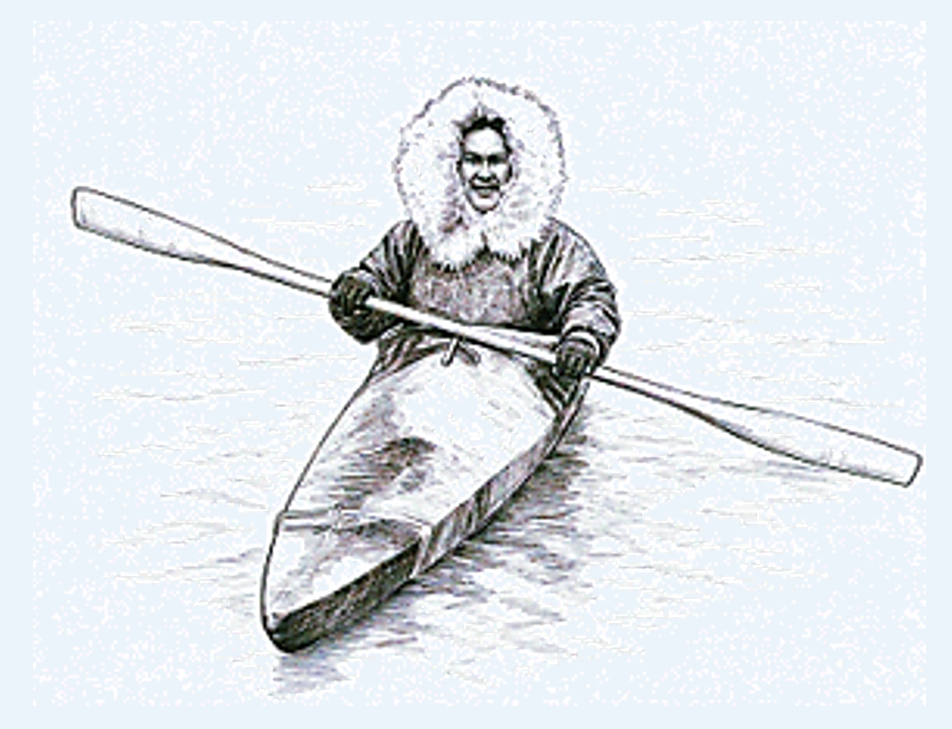
Inuit: The People of the Arctic
The presentation offers an insight into the history, culture and mythology of the Inuit, describes their traditional and modern way of life, and highlights current and future challenges.
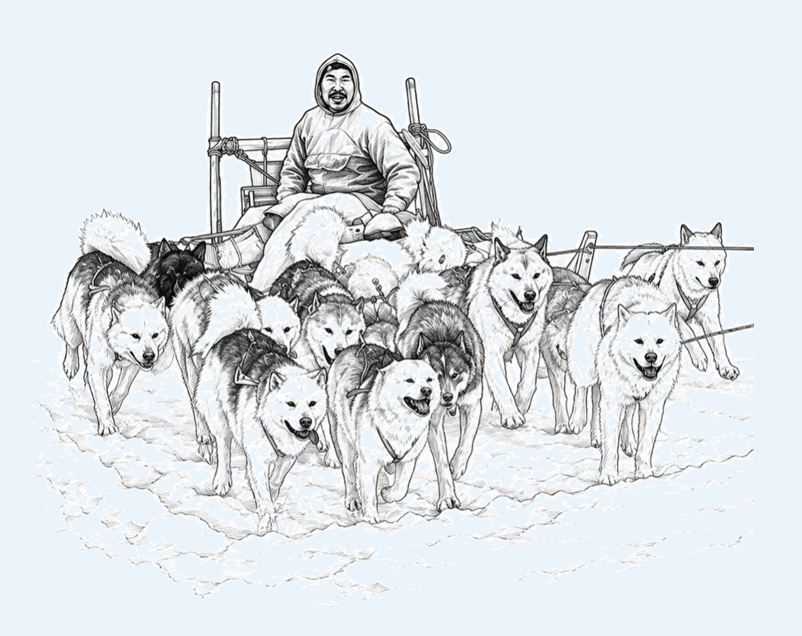
Sled dogs: Their role past and present
The way in which sled dogs are kept in Greenlandic settlements regularly gives rise to controversial, often emotionally charged discussions. This talk on the biology of these dogs, as well as their traditional and modern uses, aims to provide a more objective assessment based on facts.
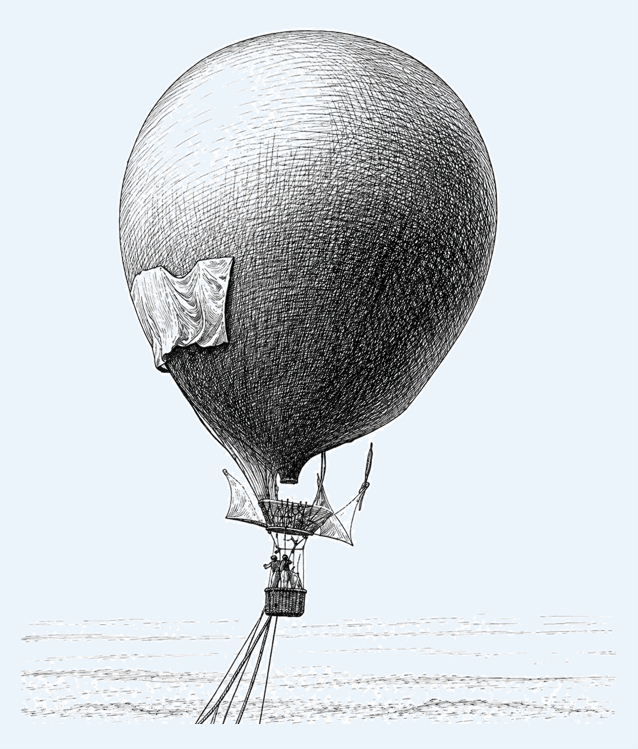
Svalbard - An Arctic "Cape Canaveral"
Thanks to its proximity of ‘only’ around 1,200 km to the North Pole and a warm branch of the Gulf Stream that keeps the west coast almost entirely ice-free, several polar explorers chose the Svalbard as a starting point for their attempts to reach the North Pole: by balloon (A.S. Andrée), airship (W. Wellmann, R. Amundsen, U. Nobile) or by aeroplane (R. Amundsen). The lecture begins with early notions of an allegedly ice-free North Pole and then describes the expeditions mentioned, all of which failed – with one exception.
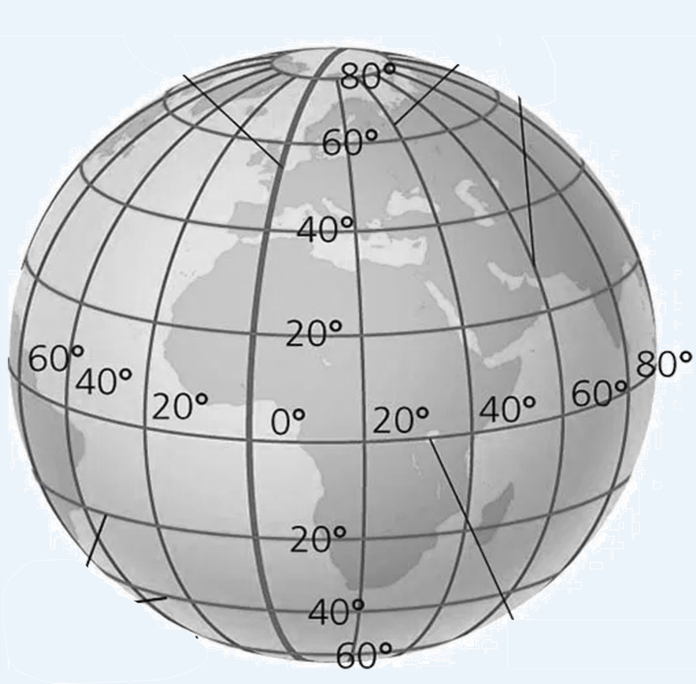
Svalbard's role in surveying the Earth
Most places in the Arctic – whether mountains, islands, bays or waterways – still bear the names of famous polar explorers, their employers, sponsors or wives. In Svalbard, there is a surprisingly high number of places named after astronomers, mathematicians and physicists who have never actually been there (e.g. Celsiusberget, Newtontoppen, Laplacetoppen). However, in the 18th century their methods of measurement and calculation played a decisive role in determining the shape of the Earth. How this came about and what role Svalbard played in it is the subject of this lecture.
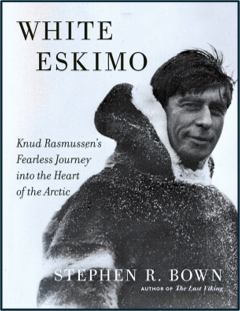
Knut Rasmussen - "The White Eskimo"
The lecture is a tribute to a Greenland-born polar explorer of Inuit descent: Knut Rasmussen. today, he is far less well-known than Fritjof Nansen, Roald Amundsen or Ernest Shackleton, but his achievements are in no way inferior to those of these famous figures. He travelled thousands of kilometres by dog sledge – from Greenland to Siberia – visiting all the Inuit groups known at the time in order to document the history and culture of ‘his’ people.
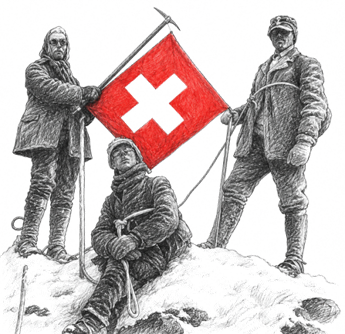
The Swiss Greenland Expedition of 1912 (*)
Most polar explorers came from countries bordering the Arctic Ocean. One of the few exceptions was the Swiss meteorologist Alfred de Quervain, who crossed Greenland from west to east on skis in 1912. During his expedition he carryed out numerous climate measurements that remain of great value to this day.