Lecture topics
All presentations last 45–50 minutes and are richly illustrated with photographs, film clips and graphics

Towards new horizons: The significance of early scientific expeditions for modern biology
In the 18th and 19th centuries, numerous scientific expeditions took place around the world. They were of groundbreaking importance for our understanding of nature and the development of the theory of evolution. The lecture explores this using the examples of Alexander von Humboldt, Charles Darwin and Alfred Russel Wallace; it also describes the personalities of the researchers as well as the difficult circumstances of their expeditions.
Is it all just coincidence? – Evolutionary research from fossils to genetics
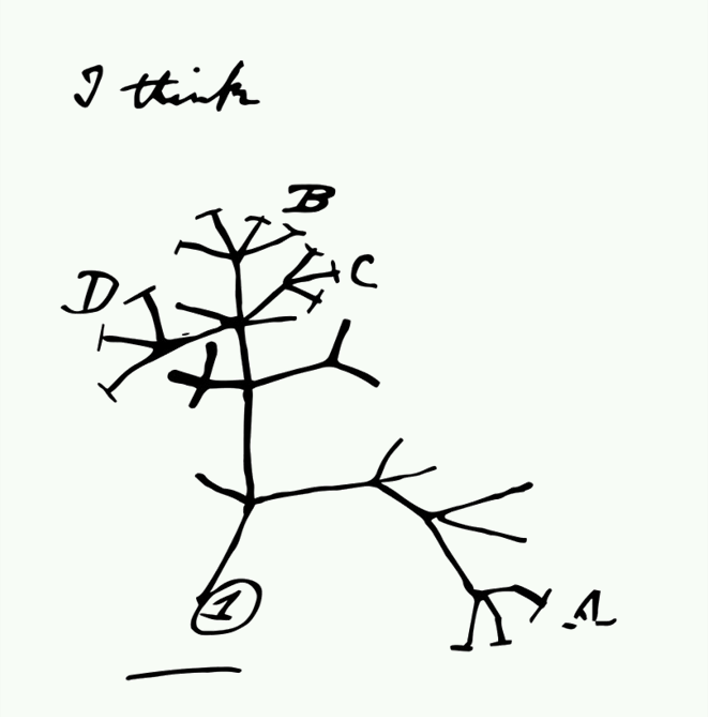
For thousands of years, people have tried to classify the diversity of life on Earth and explain its origins. This lecture first outlines some early (unsuccessful) attempts and then focuses on the only explanation that has stood up to all scrutiny: the theory of evolution, which Charles Darwin and Alfred Russel Wallace developed independently of one another in the mid-19th century. I will present evidence from various fields of research – both that which was already available in Darwin's and Wallace’s time and findings from modern disciplines.

Honeyguides and honey gatherers: A bird-human cooperation in the African bush
Reports that foraging Greater Honeyguides (Indicator indicator) cooperates with human honey gatherers were dismissed for centuries by the supposedly ‘enlightened’ Europeans as fairy tales told by the supposedly ‘ignorant’ Africans. This presentation describes a groundbreaking study from Kenya which has scientifically confirmed even the smallest details of this so-called fairy tale – just in time. Given the rapid social and economic changes in Africa this unusual bird-human collaboration is likely to get extinct within a few years.

Mythical Creatures: An Unusual Research Project
Ever since humans began travelling to distant, previously unknown parts of the world, they have returned home with tales of strange creatures, many of which have still not been scientifically verified to this day. They remain mythical creatures. This lecture sets out to explore the origins of these travel accounts, examines possible real-life counterparts of mythical creatures and sheds light on their role in cultural history.
Sea Monsters – Myth or Reality?
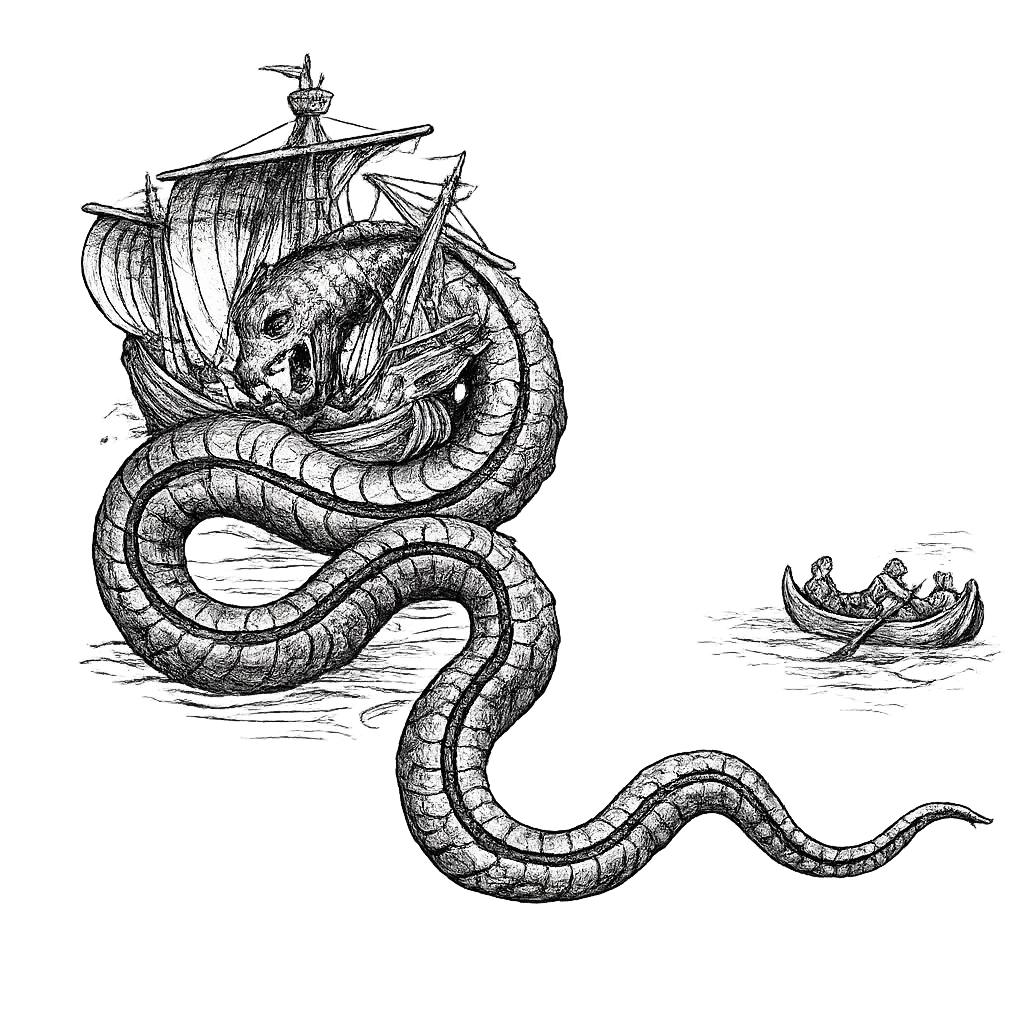
Mysterious and menacing creatures have always fascinated people. From the Leviathan in the Bible, through fantastical depictions of monsters on old nautical charts, to accounts of whales as large as islands and sea serpents that drag ships down into the depths, there is no shortage of tales about sea monsters. They have struck terror into the hearts of seafarers for centuries or – in the case of mermaids – occasionally pleased and excited them. What lies behind these accounts? This presentation seeks to answer that question.

Yeti, Bigfoot & Co. – Mysterious Ape-Men
Giant human-like footprints, unknown tufts of hair, parts of carcasses, strange cries, as well as blurry photographs and shaky film footage of large hairy figures – all of this continues to fuel many people’s belief in the existence of ape-men to this day. This lecture examines the credibility of the reports and the ‘evidence’ presented; it also describes ethically reprehensible hybridisation experiments between apes and humans.
How dead are the dinosaurs? – The ‘legendary’ theories of cryptozoologists
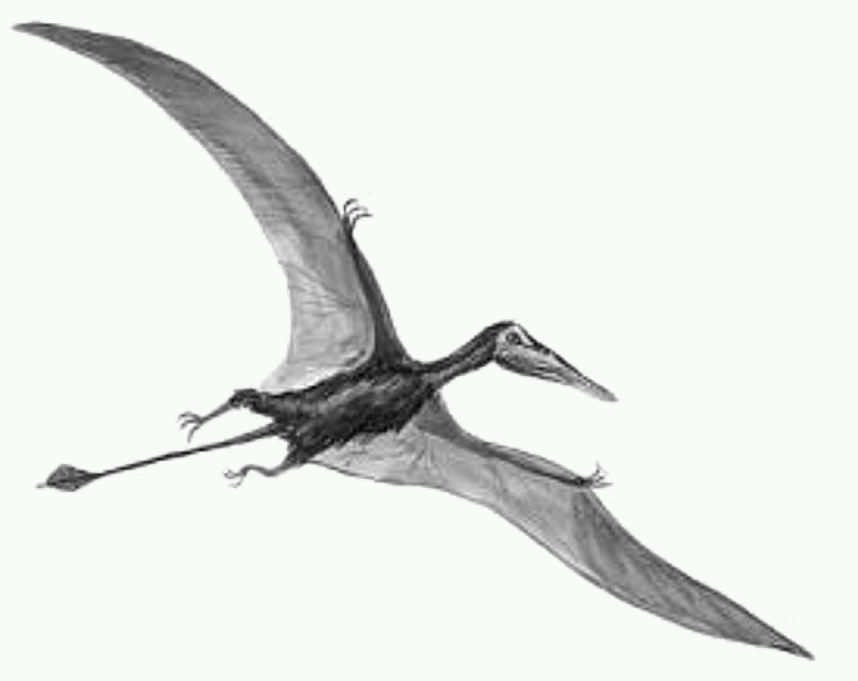
Some cryptozoologists maintain that dinosaurs still live on Earth today. They argue that the only reason this has not yet been scientifically proven is because such creatures are rare and live cryptically (hidden).. Using examples of supposedly cryptic dinosaurs on land (Mokele-Mbembe) and in water (‘Nessie’), as well as flying dinosaurs said to abduct children, this lecture explains why cryptozoologists believe in their existence, what ‘evidence’ they present – and why cryptozoology is a pseudoscience.

The ‘Unicorn’ Expedition: From the Bible to the Esoteric Craze
Around 2,500 years ago, travelers returning from Asia reported of a powerful, wild and elusive animal bearing a single horn on its head, which – when ground into powder – neutralises poisons and can cure many illnesses. Even today, numerous ‘unicorn pharmacies’ bear witness to this belief. Although no real unicorns have ever been found, despite intensive searches, they continue to enjoy unwavering popularity: as a symbol of the Christian faith, resilience, love, purity, innocence and self-discovery - not forgetting all the cuddly soft toys in children’s bedrooms. Join the speaker on an exciting expedition through the natural and cultural history of this mythical creature.